Little Star Psychologists to Visit the UK in 2009

Little Star Comments Off

Most of the twelve Little Star psychologists will visit the UK in 2009. Working every day with traumatized people causes a strain for those conducting this work, and Peacebuilding UK therefore arranges a break or retreat for the team of psychologists and counsellors each year for rest and recuperation.

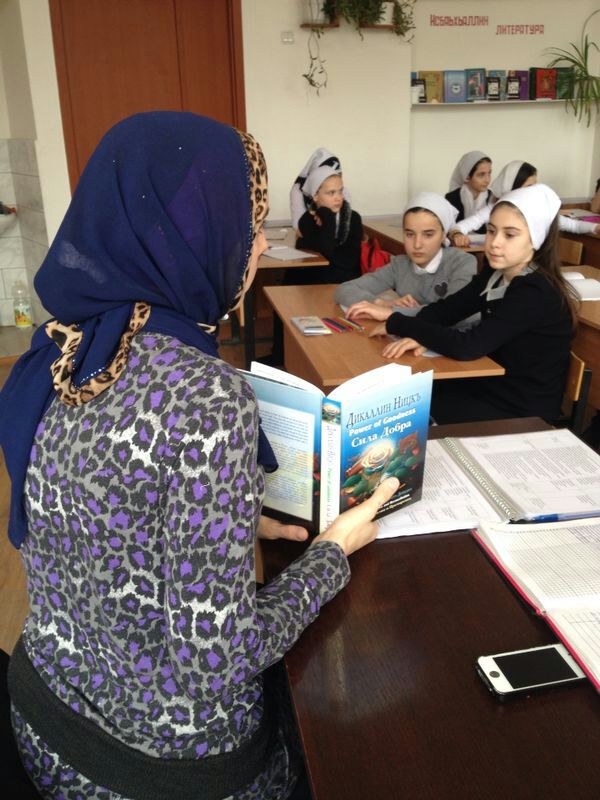
Previous retreats have been conducted in the UK, Norway, Azerbaijan and the Crimea. The visit will also include a training component to increase and deepen the range of skills of the Little Star team. A small team of UK-based specialists has agreed to work with the Little Star psychologists during their visit to support them in the writing of a teachers’ manual to complement the book ‘Power of Goodness: Stories of Nonviolence and Reconciliation’, which Little Star has been using in its work for over a year (please see ‘Psychosocial’ page).

A substantial part of the financial support for the Little Star project comes from the UK via Peacebuilding UK. The Little Star visit to the UK will therefore also provide the valuable opportunity for such contributors to meet with the Little Star team.

Finally, the visit will enable the Little Star team to meet with Peacebuilding UK friends and trustees. The team’s visa application attempt was unsuccessful in March, but we hope that discussions with the Foreign and Commonwealth Office and the Home Office will lead to successful applications shortly.

Supporting Psychosocial work in Gaza

Little Star Comments Off

Peacebuilding UK has been invited by an NGO in Gaza to support their work through staff training in the fields of child psychological trauma counselling and rehabilitation. This co-operation will focus on psychosocial counselling of children in the field and the training of new staff/ mental health professionals in Gaza. An initial one-week seminar is planned in Gaza in August 2009. Two representatives from Peacebuilding UK and two Little Star psychologists will visit Gaza in August to conduct the training seminars. It is hoped that this will be the first of a series of such trainings and cooperation between Peacebuilding UK/ Little Star and the partner in Gaza.

Rebuilding Sharoi School

Rebuilding Comments Off

Classroom Sharoi SchoolIntroduction
The children of the village of Sharoi have been without a school from 1999 to 2008, after the original school building was largely destroyed during bombardments in the second Chechen war from 1999-2000. Sharoi is deep in the mountains in the South of Chechnya, and access to other villages from it is limited. The children’s education was therefore severely limited to ad hoc lessons in homes in the village, and when possible to making trips of several miles, sometimes on foot, to the nearest neighbouring village.

Work Conducted
The work at the school in Sharoi has been completed, and the Ministry of Education of Chechnya is currently running the school, providing the necessary funding and supervision for the school to operate, including paying teachers’ wages, maintaining the school. The Ministry of Education will continue to run the school over the long-term now that the building has been rebuilt and can provide adequate provision for classes. The school opened for the new term on 1st September 2008.

The population of the village of Sharoi is 520 people, and the number of children attending the school is 62. This includes 31 children attending classes 1-4; 25 children attending classes 5-9, and 9 children in classes 10-11. There are 35 boys, 25 girls and 12 teachers. One of the children is disabled and five are orphans. There are now six classrooms in the school, as previously before the devastating damage inflicted to the building before the war. The school, as many others in Chechnya today, works in two shifts.

Please see further data regarding the school and the work conducted below:

District: Sharoi regionEntrance Sharoi School
City/town/village: Sharoi
Degree of damage (1-5): 5
School: No.1 secondary
Work being conducted: Full repairs, including laying floors, ceilings, building walls, roof, plastering, installing electrics, heating system (wood boiler)
Population of town/ village: 520
Total number of children 6-18 years: 62
Number of pupils classes 1-4: 31
Number of pupils classes 5-9: 25
Number of pupils classes 10-11: 9
Number of shifts: 2
Number of boys/ girls/ teachers: 36/26/12
Psychologists: no
Number of classrooms available before rebuilding: 0
Number of classrooms after rehabilitation: 6
Electricity/ gas/ heating/ water: no/no/no/no
Latrines/ lavatories: no/yes
Medical room: no
Canteen: no
Gymnasium/ playground: no/no
Number of disabled children: 1
Number of orphans/ semi-orphans: 8

The grant of £6000 from QPSW was used to fund the replacing the school roof, including the wooden framework, insulation, tin sheeting, guttering and drain pipes. The costs of both building materials and labour were covered by the grant. The actual costs of repairing the roof rose to £8120.

Sharoi Corridor, Before and AfterThe full cost of the repairs to the school was £31,600 – £7600 more than expected. This included the rebuilding of walls, roof, laying of floors, ceilings, plastering, installing electrics, heating system (wood boiler) and installation of doors and windows. The majority of the shortfall in funds was covered by additional funds from UNICEF (see more details below in ‘Problems in Implementing the Project’) as well as some additional funds from Peacebuilding UK.

All building materials for the project were purchased locally in Chechnya from local suppliers. This helped to reduce the environmental impact of transporting such supplies, although they did have to be transported up into the mountains from Grozny along narrow and at times perilous mountain roads. The timber purchased was from sustainable forests in the region. The building has been insulated, thereby reducing the loss of heat as much as possible.

Problems in Implementing the ProjectSharoi Ext, Before and After
A truck transporting building supplies to Sharoi skidded off the road and fell down into a small ravine in March 2008. The materials lost had been funded by UNICEF. As the materials were lost, UNICEF fortunately agreed to replace them, which is partly the reason for the project expenditure having increased above the budgeted amount. A recent earthquake in the Chechen mountains has caused landslides that have now completely closed this road. The further reason for this was the substantial increase in the costs of building materials in Chechnya and Russia as a whole.

There is currently a problem of insufficient number of school desks at the school. Peacebuilding UK’s partner, the ‘Centre for Peacebuilding and Community Development’ Russian charitable fund, is assisting the school authorities to find a solution to this problem with the Chechen Ministry of Education, which initially expressed that it would provide all such furniture.

Conclusion
The teachers, pupils and parents of Sharoi school have expressed their sincerest gratitude to all of those people and bodies that supported the rebuilding of their school, including QPSW. Eight years was a significant amount of time for the children and families of the village to be without a school, and its re-opening marks an important step for them in rebuilding their lives after the destruction of the war, and to restoring their educational system.

Season’s Greetings!

News Comments Off

Peacebuilding UK would like to wish everyone a happy holiday – whatever festivals you’re celebrating! Thank you so much for all your support during 2007, we look forward to 2008 with hope and optimism for all our brothers and sisters in Chechnya and the surrounding region.

In peace and friendship,

Staff and Trustees of Peacebuilding UK

School re-building project

Appeals No Comments

Thank you to everyone who has donated to this appeal. We have so far managed to raise 50% of the total £10,000 of the appeal, which is required to complete the rebuilding of four schools in Chechnya.

A further £5,000 needs to be raised by the end of June as Peacebuilding UK’s contribution. The schools serve about 1,800 pupils and were moderately or severely destroyed during the recent wars. UNICEF is paying for 86% of the rebuilding costs but expects PBUK’s partner in Russia, a Russian Charitable Fund with the same name, to contribute 14% by the end of April. Peacebuilding UK has raised £15,000 to date for this project.

Pupils and parents of these schools very much want them to reopen this Autumn, and this work is not included in the Chechen Government’s current rebuilding programme.

Please go to our Donations page for information on how to contribute. Thank you.

Next Entries »